Across the UK, Teeth Whitening has become one of the most requested cosmetic dental treatments because it offers a noticeable yet natural enhancement. Rather than dramatically changing the character of a smile, professional Whitening refines and refreshes it. When performed responsibly and under proper clinical supervision, it can improve the appearance of teeth while preserving their natural structure and protecting overall oral health.
Daily life plays a significant role in how teeth look over time. Many of the habits woven into modern routines contribute to gradual staining. Tea and coffee, both widely enjoyed throughout the UK, contain tannins that attach to enamel and slowly darken its surface. Red wine, certain spices, berries, tomato-based sauces, and fizzy drinks can also leave behind pigments that dull brightness. Smoking further accelerates staining and can create deeper discolouration that becomes more difficult to remove. Even individuals who brush and floss consistently may notice that their teeth lose some of their original freshness simply due to ageing and everyday exposure.
Teeth Whitening addresses these changes in a safe and carefully controlled way. Professional treatments use regulated whitening agents designed to lift stains from within the enamel rather than scraping or damaging the surface. The process works by breaking down stain molecules into smaller particles, making them less visible and restoring a lighter shade. Importantly, this is achieved without thinning enamel or altering the natural shape of the teeth. The goal is always enhancement, not alteration.
In the UK, Teeth Whitening is legally recognised as a dental procedure. This distinction is important because it ensures high standards of patient care and safety. Before treatment begins, a thorough clinical assessment is carried out to confirm suitability. Dental professionals check for gum health, enamel condition, existing restorations, and any underlying issues that may need attention first. Not everyone is an immediate candidate for Whitening, and responsible practice involves identifying when treatment should be postponed or adapted.
Strict regulations also govern the type and strength of whitening products that may be used. This protects patients from excessive concentrations that could cause sensitivity or harm. Under professional supervision, Whitening is tailored to the individual, balancing effectiveness with comfort. Some people may benefit from in-practice treatment, while others may be guided through carefully monitored home whitening systems. In both cases, clinical oversight ensures predictable, controlled results.
Professional Teeth Whitening does not aim for an unnaturally bright or opaque appearance. Extremely white shades can look artificial and may not harmonise with skin tone, age, or facial features. Instead, the focus is on achieving a shade that looks clean, healthy, and authentic. Often, a subtle lift in brightness has the greatest visual impact. Friends and colleagues may notice that a smile looks fresher without immediately identifying that Whitening has been carried out.
Beyond aesthetics, the psychological benefits can be meaningful. Feeling confident in a smile often encourages more open communication, whether in social gatherings, photographs, or professional environments. Small improvements in appearance can positively influence self-perception and overall confidence.
When carried out correctly and responsibly, Teeth Whitening offers a balanced approach to cosmetic enhancement. It respects natural dental anatomy, prioritises safety, and delivers results that feel genuine rather than exaggerated. The outcome is not a different smile, but a brighter, healthier-looking version of the one that has always been there.
What Is Teeth Whitening?
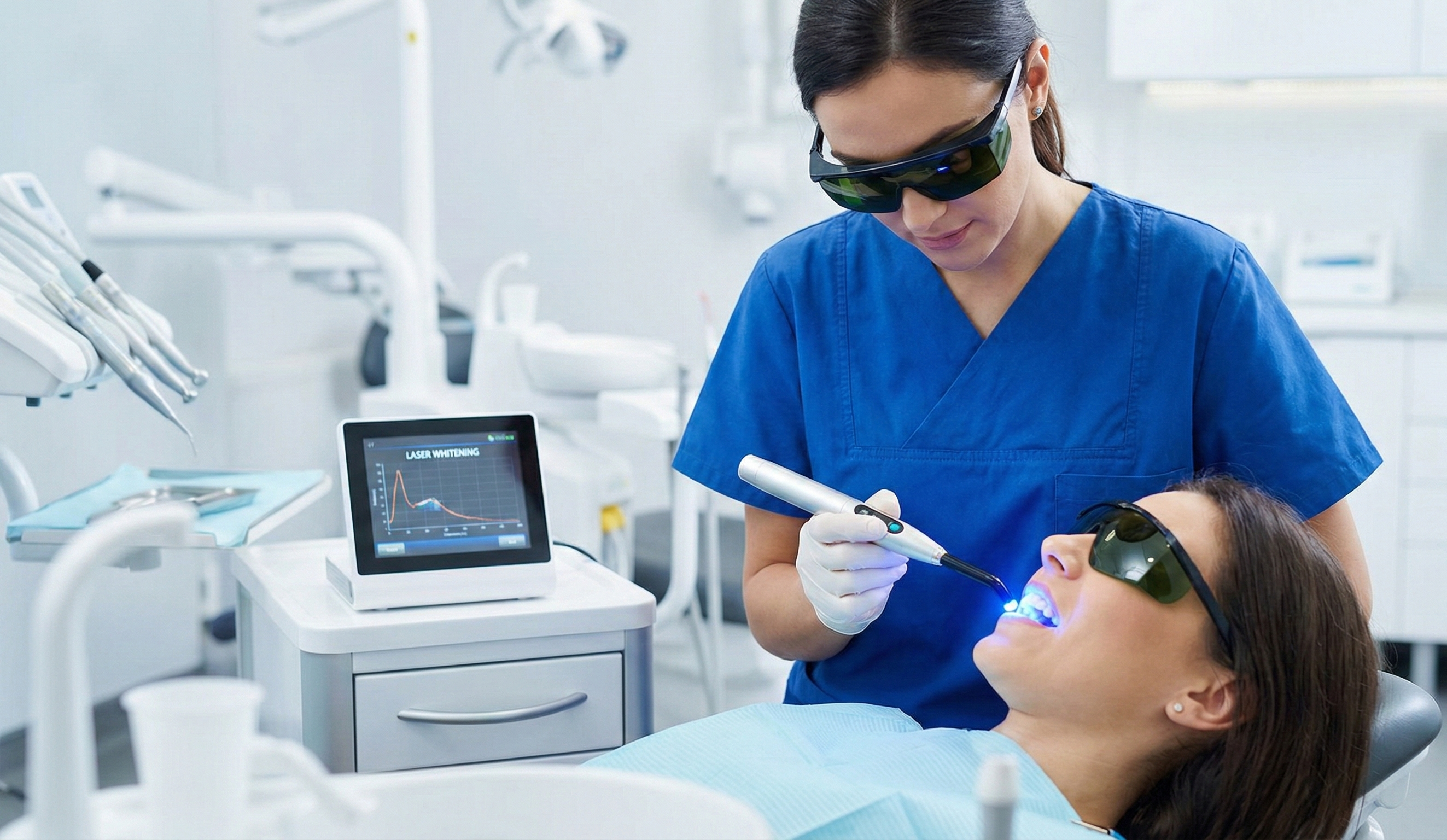
Whitening is a cosmetic dental procedure that lightens discoloured teeth and improves the overall appearance. It's one of the few aesthetic dental treatment options that makes a dramatic difference in your smile without requiring the alteration of the shape or structure of your teeth. Rather than covering the teeth or changing their structure permanently, Whitening lightens stains and discoloration on your teeth by lifting them for a whiter, brighter smile.
To appreciate how teeth Whitening occurs, it's helpful to know about the anatomy of a tooth. The outer layer is known as enamel. Despite being hard, transparent, and protective, enamel is not entirely impenetrable. It has tiny holes into which pigment is to be inserted after the bleeding. Under the enamel is dentine, which is yellow or off-white. Enamel is semi-translucent, and dentine (the layer below enamel) consists of a range of colours. Dentine, on the other hand, is darker in colour and as enamel discolours or thins with age, more of the dentine can be seen.
Staining occurs gradually. The enamel on the teeth can attract colour pigments, which is caused by everyday habits such as drinking tea, coffee, red wine, or fizzy drinks. Another leading culprit for surface staining is smoking or the use of tobacco. Even highly coloured foods, such as curry or berries, leave residues over time. And finally, besides these external factors, it is also the internal changes in a tooth that may lead to discolouration. Dentine naturally darkens with age, and the enamel layer may wear down a little, resulting in a less-than-bright smile.
Teeth whitening performed by a professional is a highly effective, non-invasive treatment that can truly enhance the beauty of your smile. These elements operate via oxidation. The whitening material is placed on the teeth, where it penetrates into the enamel and oxidizes stains so that they can be dispersed. The teeth reflect more light when the concentration of stain particles and their size are reduced, which makes them appear whiter and brighter. Crucially, this technique does not scrape or file chipping enamel away. Instead, it operates on the molecular level (in the tooth).
There are two kinds of discoloration that teeth whitening treatments tackle. External stains are only found on the external surface of the enamel and are related to diet, lifestyle, or smoking. Whitening can be effective at removing these types of stains. Intrinsic disply is discoloration of the dentin, a type of tissue under the enamel. It can be caused by age, some medicines used during tooth formation, an injury to a tooth, or naturally darker dentine. Although professional Whitening can help a great deal with many intrinsic stains, results will depend on the cause and severity.
Let's get this straight: teeth whitening: What it can and cannot do. Whitening improves colour only. It does not affect tooth alignment, spacing, form, or dental arch relationship. It also does not whiten fake teeth (crowns, veneers, bridges) or fillings. This is why it is important to be properly evaluated by a trained professional before starting treatment. Prudent planning helps ensure the new teeth look balanced, natural, and aesthetically compatible with your other dental work.
When performed properly by a dental professional, teeth whitening can improve your smile safely and effectively without harming your long-term oral health.
Why Teeth Become Discoloured
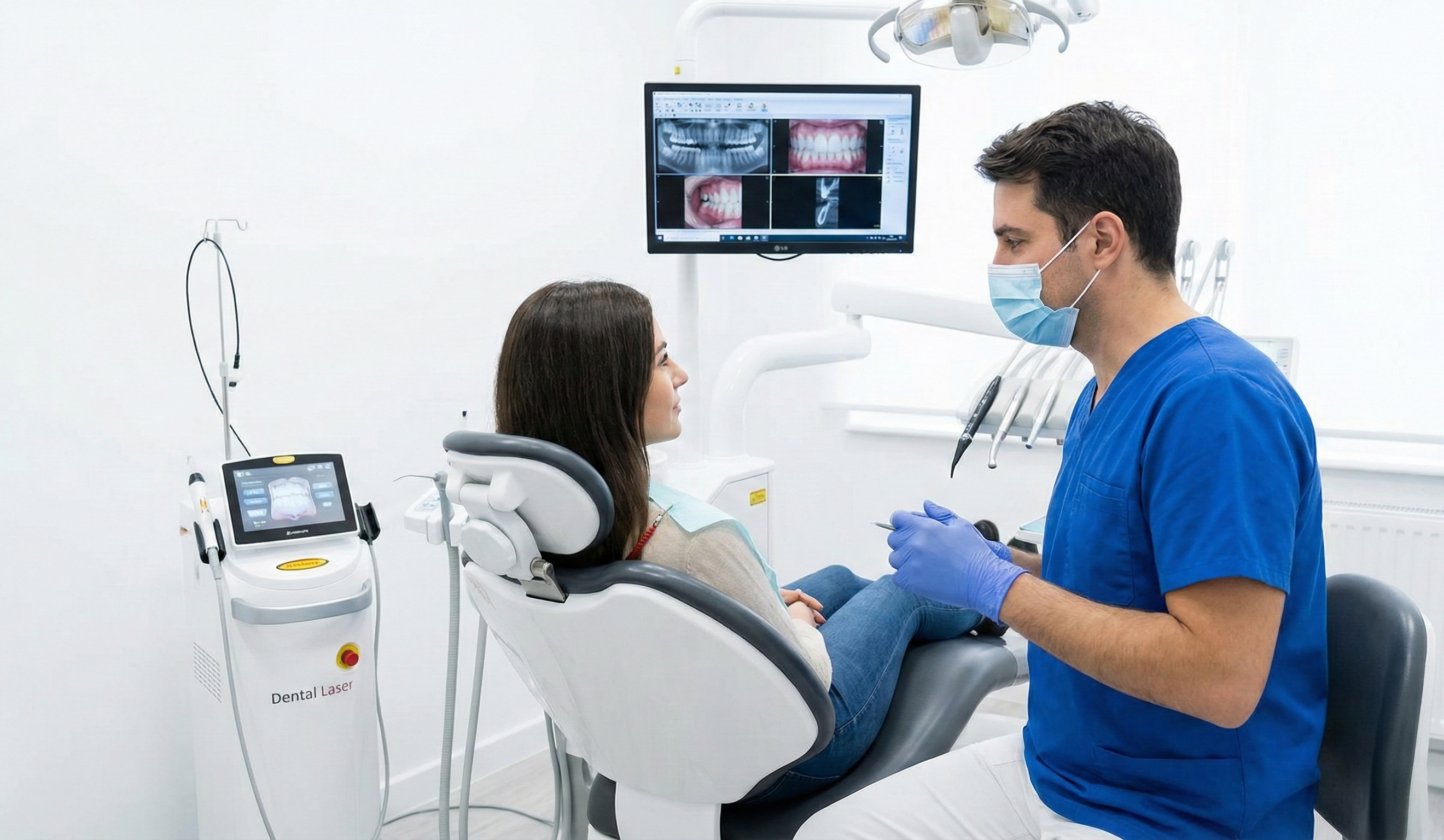
Tooth discolouration is a completely natural process influenced by lifestyle habits, biological factors, and the simple passage of time. Even individuals who maintain excellent oral hygiene and attend regular dental check-ups may notice gradual changes in the shade of their teeth. Understanding why this happens helps set realistic expectations and highlights the difference between surface staining and deeper colour changes.
One of the most common causes of discolouration is diet. Many everyday foods and drinks contain strong pigments that attach to the outer layer of the teeth, known as enamel. In the UK, especially, tea and coffee are two of the most significant contributors. Both beverages are rich in tannins, natural compounds that increase the ability of colour particles to stick to enamel. With frequent consumption, these pigments slowly build up, leading to a yellow or brownish appearance.
Red wine is another well-known staining agent due to its deep colour and acidic nature, which can slightly soften enamel and make it more susceptible to pigment absorption. Dark berries such as blueberries and blackberries contain intense natural dyes that can leave behind residue. Curry spices, tomato-based sauces, and fizzy drinks also contribute to surface staining over time. Even healthy foods can affect colour if they contain strong chromogens, which are compounds that produce pigment. While brushing removes much of this residue, microscopic particles can remain and gradually accumulate.
Smoking is another major factor in tooth discolouration. Tobacco contains tar and nicotine, both of which have powerful staining properties. When nicotine mixes with oxygen, it turns yellow, while tar is naturally dark. These substances penetrate enamel and create stubborn brown or yellow stains that are often difficult to remove with standard brushing alone. Over time, smoking not only affects tooth colour but can also impact overall oral health, compounding aesthetic concerns.
Ageing also plays a central role in how teeth appear. Enamel, the protective outer layer of the teeth, is slightly translucent. Beneath it lies dentine, which is naturally more yellow in tone. As we age, enamel gradually becomes thinner due to years of chewing, brushing, and exposure to acidic foods and drinks. As this thinning occurs, more of the underlying dentine becomes visible, giving teeth a darker or warmer appearance. This change is subtle and progressive, making it a normal part of the ageing process.
Certain medications and medical conditions can also influence tooth colour. For example, tetracycline antibiotics taken during childhood, when teeth are still developing, may cause intrinsic staining that affects the internal structure of the tooth. These stains often appear grey, brown, or bluish and cannot be removed with regular cleaning. Other medical factors, including conditions that affect enamel formation, may lead to uneven colouring or patchy appearance.
Dental trauma is another possible cause. When a tooth experiences injury, the internal nerve and blood supply can be affected. This disruption may cause the tooth to darken from within, sometimes appearing grey or brown. In such cases, the discolouration originates inside the tooth rather than on the surface.
Genetics also influences natural tooth shade. Some individuals are born with thicker, more opaque enamel that appears brighter, while others naturally have thinner enamel or a warmer undertone. These inherited characteristics help explain why tooth colour varies from person to person.
Teeth Whitening works within a person's natural tooth structure to enhance brightness, but it does not fundamentally change genetic traits. By understanding the reasons behind discolouration, individuals can make informed decisions and approach whitening treatments with realistic expectations.
Professional Teeth Whitening in the UK
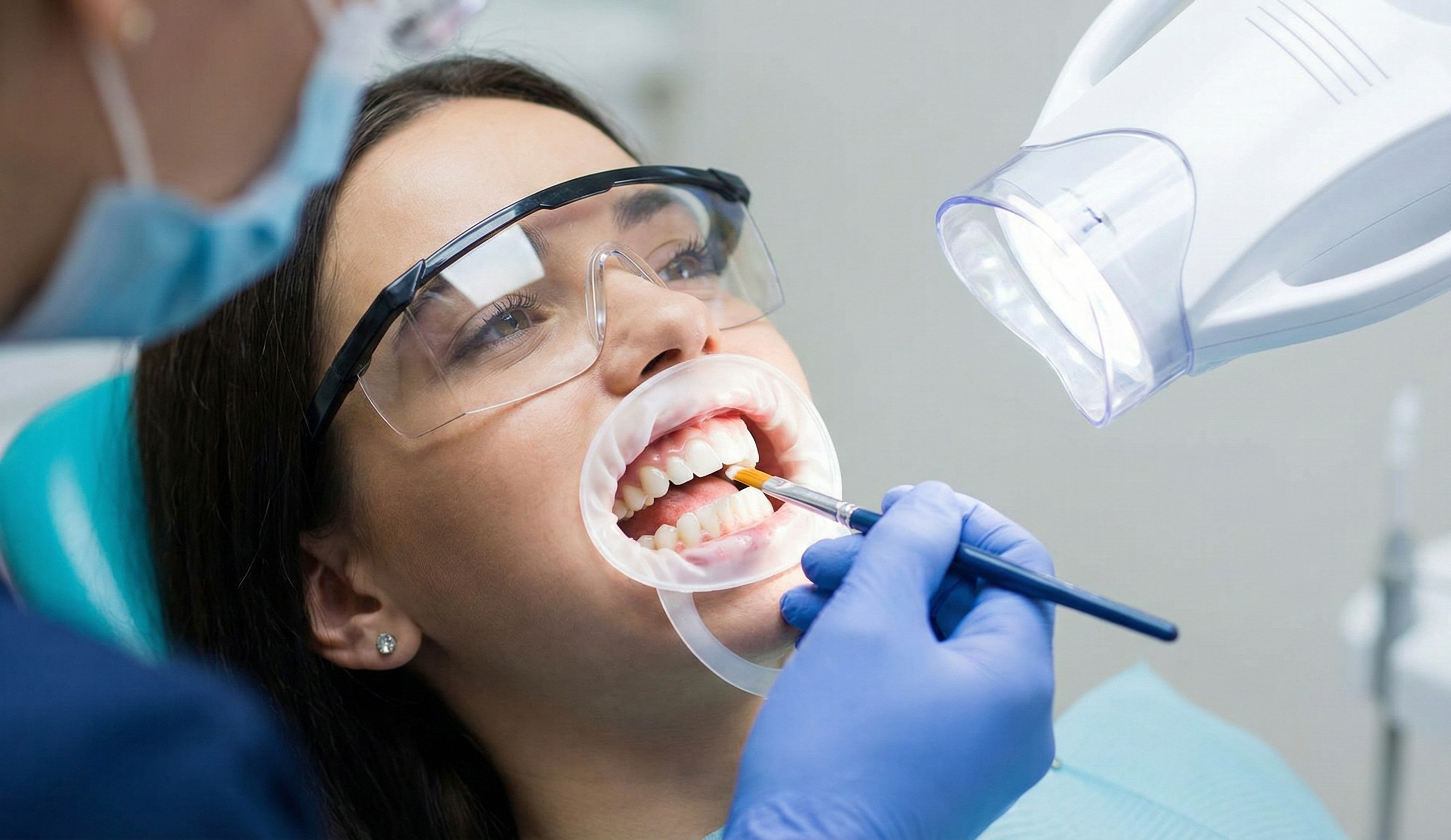
In the United Kingdom, Teeth Whitening is legally classified as the practice of dentistry. This is not simply a cosmetic label — it is a legal designation designed to protect patients. By defining Whitening as a dental procedure, UK regulations ensure that treatment is delivered safely, ethically, and under proper clinical supervision. This framework helps maintain high professional standards and reduces the risks associated with cosmetic dental treatments.
Only registered dental professionals are legally permitted to carry out Teeth Whitening using regulated concentrations of whitening agents. These professionals include dentists, dental hygienists, dental therapists (under prescription), and clinical dental technicians, where appropriate. Their training allows them to understand oral anatomy, enamel structure, gum health, and the safe use of whitening materials. This protects patients from potential harm that can occur when treatments are performed incorrectly or without appropriate knowledge.
Before any whitening treatment begins, a comprehensive dental assessment is essential. Whitening is most effective and safest when carried out on healthy teeth and gums. A professional examination ensures that underlying issues are identified and managed first.
A proper pre-whitening assessment typically includes:
- Examination of teeth and gums to confirm they are healthy
- Checking for cavities, enamel wear, cracks, or exposed roots
- Assessment of gum health and signs of periodontal disease
- Identification of restorations such as crowns, veneers, or fillings
- Discussion of medical history and previous sensitivity concerns
Active decay, gum disease, or untreated dental problems should always be addressed prior to cosmetic treatment. Whitening teeth that are unhealthy can worsen sensitivity, irritate tissues, or produce uneven results. Treating healthy teeth provides the safest and most predictable outcome.
Clinical supervision also ensures accurate diagnosis of the type and cause of discolouration. Not all stains respond equally to Whitening. Some common causes include:
- Surface staining from tea, coffee, red wine, or smoking
- Natural age-related darkening
- Trauma to a tooth
- Certain medications taken during tooth development
- Internal staining beneath the enamel
A trained professional can determine whether Whitening is likely to be effective or whether alternative cosmetic options may be more suitable. This prevents disappointment and helps set realistic expectations about achievable results.
Regulated whitening gels used in dental settings are carefully formulated to balance effectiveness with enamel safety. In the UK, the concentration of hydrogen peroxide or carbamide peroxide is strictly controlled by law. This ensures the product is strong enough to lighten teeth while minimising risk to enamel and soft tissues. Professional application techniques further protect the gums and surrounding areas during treatment.
Avoiding unregulated providers is extremely important. Treatments offered outside of dental environments may lack proper health checks and clinical oversight. Risks associated with unregulated Whitening can include:
- Excessive tooth sensitivity
- Chemical burns to the gums
- Uneven or patchy Whitening
- Damage to enamel
- Delayed diagnosis of underlying dental disease
Professional Teeth Whitening in the UK is designed to prioritise patient safety while delivering reliable aesthetic improvement. When performed under proper clinical supervision, Whitening can enhance a smile in a controlled, responsible, and health-focused manner.
Types of Teeth Whitening Treatments
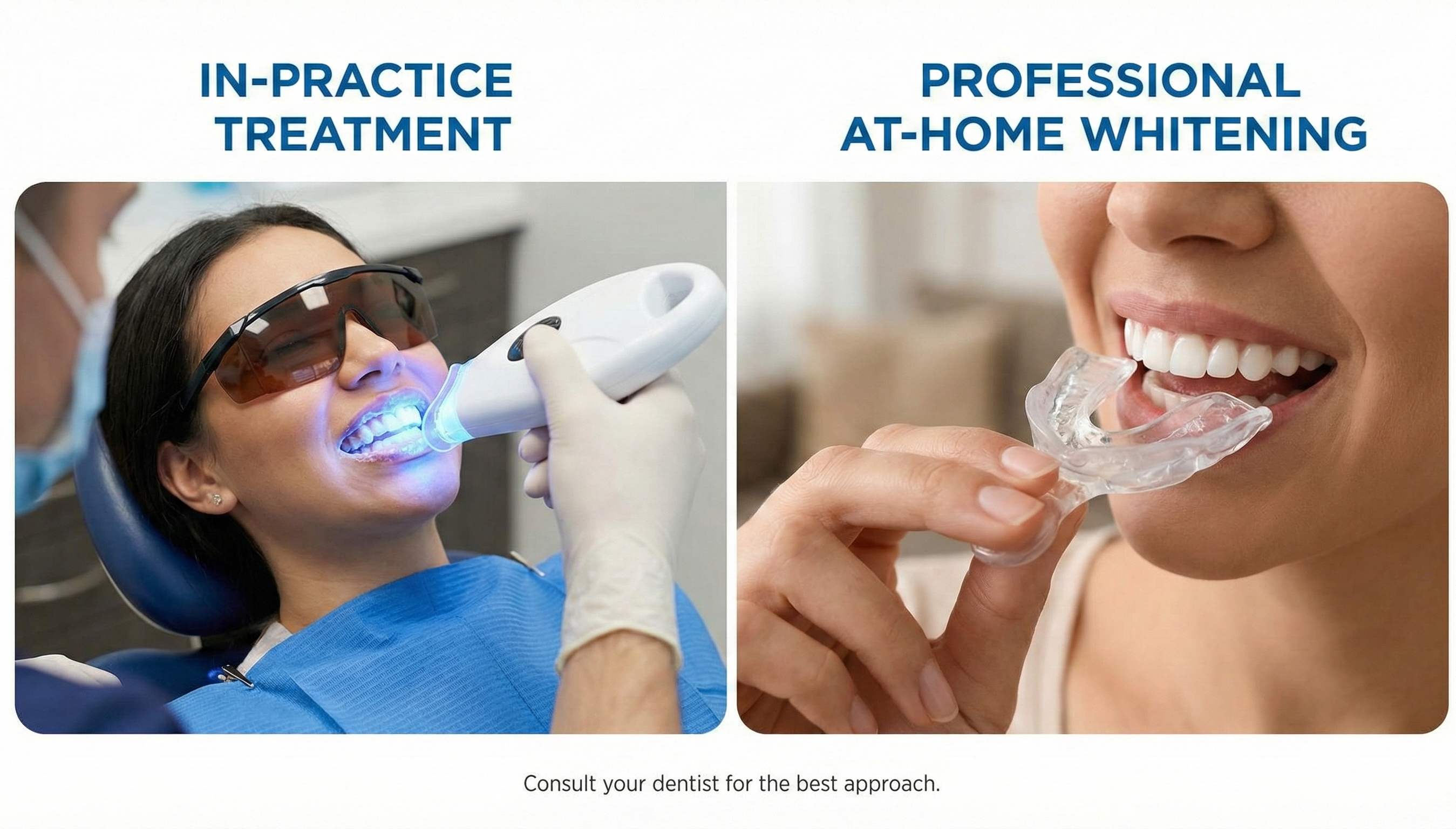
Professional teeth Whitening is designed to improve the brightness of natural teeth in a safe, controlled, and clinically responsible way. While many products claim to offer similar benefits, true professional Whitening falls into two main categories: in-practice treatment and professional at-home Whitening supervised by a dental professional. In certain situations, a combination of both approaches may be recommended to achieve the most balanced and long-lasting results. Understanding how each method works helps individuals make informed decisions based on their goals, lifestyle, and oral health condition.
In-practice Whitening is carried out in a regulated clinical environment under direct professional supervision. Before the whitening process begins, the teeth and gums are carefully assessed to ensure suitability. Any signs of decay, gum inflammation, or underlying dental concerns are addressed beforehand. Once approved for treatment, a protective barrier is gently applied to shield the gums and soft tissues. This step is essential because it prevents irritation and ensures the whitening gel remains focused only on the enamel surface.
A professionally formulated whitening gel is then applied to the teeth in controlled layers. The active ingredient works by penetrating the enamel and breaking down stain molecules that have accumulated over time. These stains may be caused by food, beverages, smoking, or natural ageing. During a single visit, the gel may be applied several times to gradually lift discolouration. The entire procedure is monitored carefully to maintain comfort and safety. Many individuals choose in-practice Whitening because it can produce visible improvements in a relatively short period, making it ideal for those preparing for special occasions or seeking quicker aesthetic enhancement.
Professional at-home Whitening offers a different but equally effective approach. This method begins with taking precise impressions or digital scans of the teeth to create custom-made trays. These trays are uniquely designed to fit the contours of the individual's teeth, ensuring even distribution of the whitening gel. Because the trays fit accurately, they minimise leakage and reduce contact with the gums, which helps lower the risk of sensitivity or irritation.
The whitening gel used in professional at-home treatment is regulated and provided with clear instructions for safe use. Individuals typically wear the trays for a specified duration each day over a period of days or weeks. This gradual process allows stains to be lifted steadily, often resulting in natural-looking brightness. Many people appreciate this option because it provides flexibility and can be incorporated into daily routines. It also allows better control over the level of Whitening achieved.
Combination treatment merges the strengths of both methods. It often begins with in-practice Whitening to create an immediate improvement in shade. After this initial boost, custom at-home trays are used to refine the results and maintain brightness over time. This approach provides both speed and long-term control, making it a popular choice for those seeking comprehensive results.
In contrast, over-the-counter whitening products differ significantly from professional treatments. Retail strips, gels, or trays typically contain lower concentrations of active ingredients and are not tailored to the individual. Ill-fitting applications can result in uneven Whitening or gum discomfort. While they may offer limited surface improvement, they lack the personalised assessment, safety protocols, and predictable outcomes that professional supervision provides.
The Consultation Process
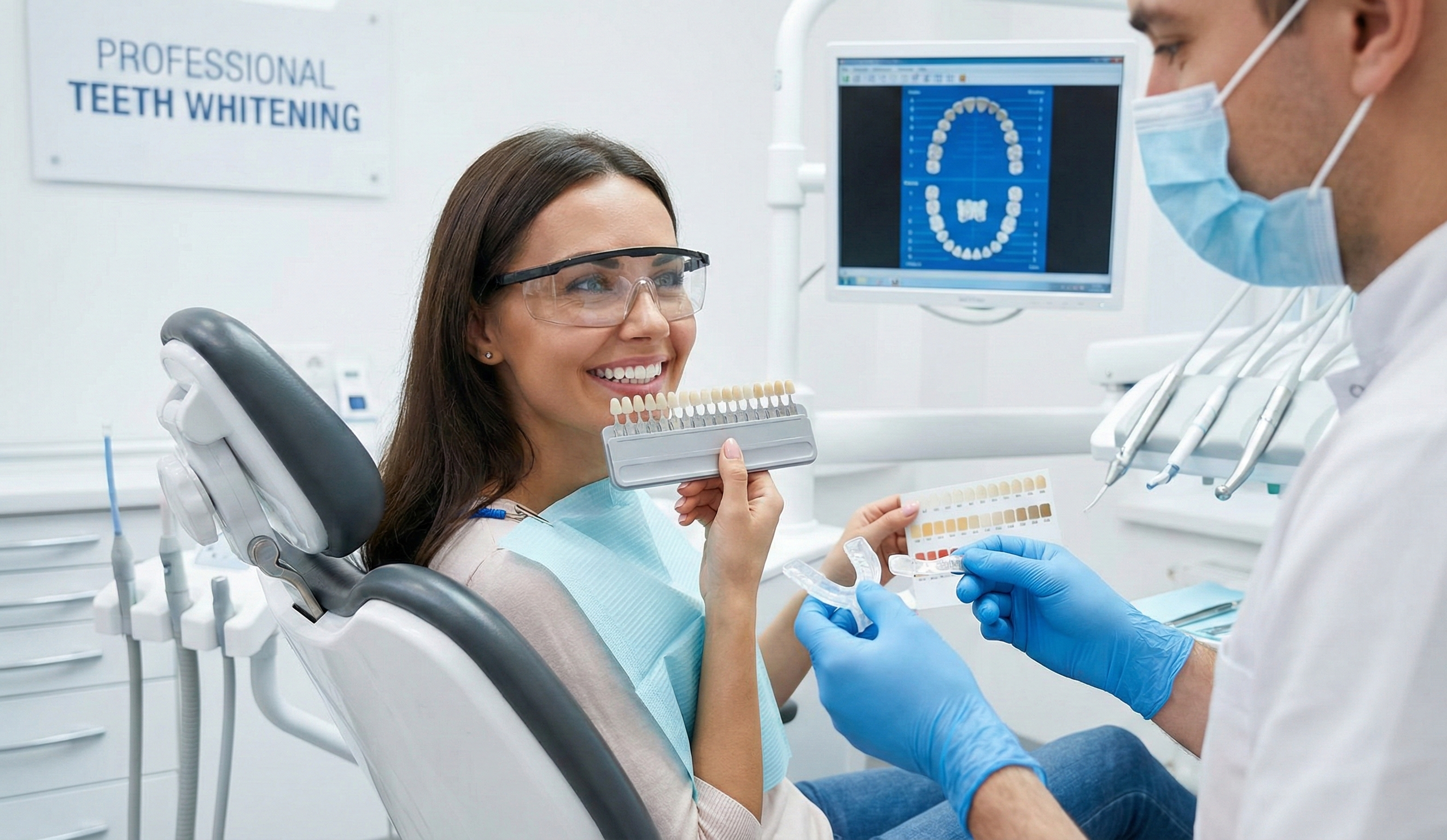
A comprehensive consultation forms the foundation of safe and effective Teeth Whitening. Rather than beginning treatment immediately, this initial appointment is designed to evaluate overall oral health, understand individual expectations, and determine whether Whitening is the most suitable option. This careful approach helps protect long-term dental health while ensuring that results look natural and balanced.
During the consultation, a thorough examination of the teeth and gums is carried out. The dental professional checks for signs of decay, gum inflammation, enamel wear, cracks, or untreated dental conditions that may need attention before Whitening can safely proceed. Whitening should only be performed on healthy teeth and gums, as underlying problems can increase sensitivity or compromise results. If necessary, preventive or restorative care is recommended first to create a stable foundation.
Existing dental restorations are also carefully assessed. Fillings, crowns, veneers, and bonding materials do not respond to whitening agents in the same way as natural enamel. Identifying their location and shade is important, as these restorations will remain the same colour after treatment. This discussion helps prevent uneven results and allows for forward planning if cosmetic adjustments are desired later.
A professional shade assessment is completed to record the starting colour of the teeth. Using a recognised shade guide or digital imaging, the current tone is documented to provide a clear reference point. This allows both the patient and clinician to measure progress accurately and set realistic expectations regarding the degree of improvement that can be achieved.
Medical history is reviewed in detail to identify any factors that could influence treatment. Pregnancy, known allergies, previous sensitivity experiences, certain medications, or underlying health conditions are all considered carefully. Open discussion ensures that Whitening is carried out responsibly and comfortably.
Equally important is understanding personal goals. Some individuals prefer a subtle refresh that maintains a completely natural appearance, while others hope for a brighter, more noticeable enhancement. Honest conversation ensures alignment between expectations and achievable outcomes. Suitability is ultimately determined by enamel condition, gum health, and the underlying cause of discolouration. Where Whitening may not be the most appropriate solution, alternative cosmetic options can be discussed. This personalised planning ensures that any treatment supports both aesthetic goals and long-term oral wellbeing.
What to Expect During Treatment
The experience of Teeth Whitening is generally smooth, carefully structured, and designed with patient comfort in mind. Before any whitening begins, a professional assessment is typically carried out to ensure that the teeth and gums are healthy and suitable for treatment. This step helps identify existing restorations, areas of sensitivity, or underlying conditions that may need attention beforehand. Once suitability is confirmed, the whitening process can begin in a controlled and predictable manner.
For in-practice treatment, the appointment usually starts with a thorough cleaning to remove plaque and surface debris. This ensures that the whitening gel can make even contact with the enamel. Protective barriers are then placed to shield the gums, lips, and soft tissues. This isolation step is important because whitening agents are formulated specifically for enamel and must not irritate delicate surrounding areas.
The whitening gel is applied carefully in measured stages. Throughout the session, the teeth are monitored to ensure consistent coverage and patient comfort. Some individuals notice a mild warming sensation or light tingling during application. These sensations are generally temporary and well-tolerated. The entire procedure is performed under supervision, allowing adjustments if needed and ensuring a safe, controlled environment from start to finish.
At-home Whitening follows a slightly different approach but remains structured and guided. Custom trays are created to fit the unique contours of the patient's teeth. These trays are designed to hold the whitening gel evenly while minimising contact with the gums. Patients are given clear, step-by-step instructions on how much gel to use and how long to wear the trays each day. Consistency is key, and gradual improvement becomes visible over the course of treatment. Many people appreciate this approach because it allows flexibility while still delivering professional-level results.
Temporary sensitivity can occur, especially during the early stages of Whitening. This sensitivity typically presents as brief, sharp sensations triggered by cold air, chilled drinks, or sweet foods. It is usually mild and resolves shortly after treatment ends. Adjusting the application schedule, shortening wear time, or using desensitising toothpaste can significantly reduce discomfort. Open communication during treatment ensures that any sensitivity is managed effectively and safely.
Results and Realistic Expectations

Teeth Whitening can produce a noticeable and satisfying improvement in brightness. However, outcomes vary from person to person. Factors such as the starting shade of the teeth, enamel thickness, age, and the type of staining all influence the final result. Surface stains caused by food, drinks, or smoking often respond well, while deeper intrinsic stains may improve more gradually.
Many individuals achieve several shades of improvement on a professional dental shade guide. The aim is not to create an artificial or overly opaque appearance, but to enhance the natural tone of the smile. Even after Whitening, teeth maintain their unique character and subtle variations, which contribute to a healthy, authentic look.
It is also important to understand that whitening results are not permanent. Everyday habits play a significant role in maintaining brightness. Beverages such as tea, coffee, and red wine, along with tobacco use, can gradually reintroduce staining. With mindful oral hygiene and periodic maintenance, results can last many months or longer. Occasional top-up treatments using previously provided custom trays help sustain the improved shade while preserving the overall health and structure of the teeth.
Safety and Regulation in the UK
UK regulations are designed to protect patients. Whitening agents above certain concentrations are restricted to professional use. This ensures treatment remains both effective and safe.
Registered dental professionals undergo training to understand tooth anatomy, material science, and patient care. This knowledge underpins safe application and monitoring.
Unregulated whitening services may appear convenient, but without clinical assessment, risks increase. Gum burns, uneven Whitening, and enamel damage are potential consequences of inappropriate use. Professional regulation provides reassurance and accountability.
Managing Sensitivity
Sensitivity during Teeth Whitening is usually temporary. It occurs because whitening agents interact with microscopic pathways within enamel, temporarily increasing fluid movement inside the tooth.
Professional guidance helps reduce discomfort. Adjusting treatment intervals, using lower concentration gels, or applying desensitising products can all be effective. Most individuals find that sensitivity resolves shortly after completing treatment.
Long-term damage to enamel is not associated with properly supervised Whitening. Enamel structure remains intact when regulated products are used according to professional guidance.
Maintaining Your Results
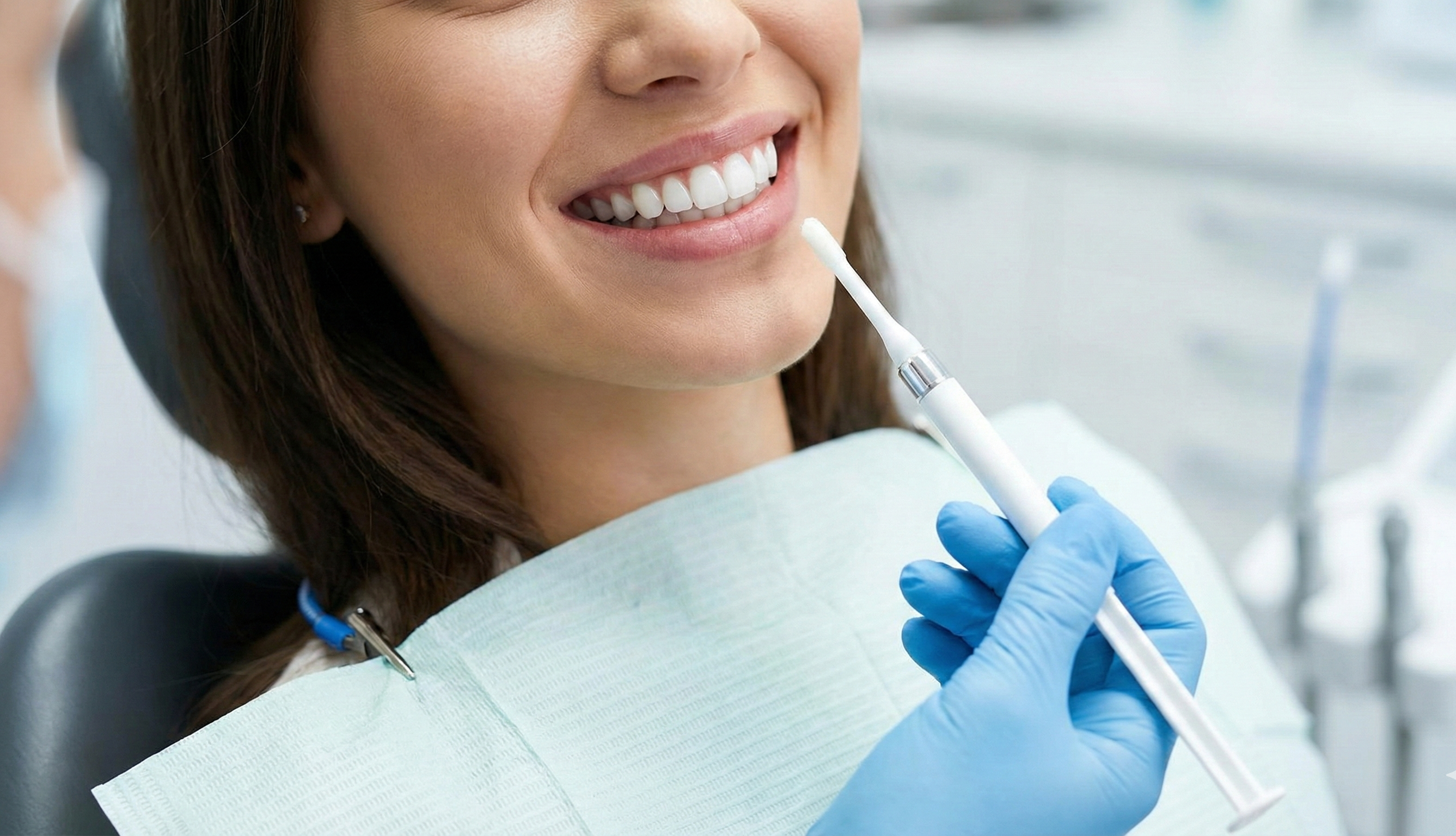
Maintaining brightness involves consistent oral hygiene and mindful lifestyle habits.
Brushing twice daily with fluoride toothpaste, flossing regularly, and attending professional cleaning appointments support long-term results. Reducing consumption of heavily pigmented foods and drinks can help preserve shade. When consuming staining beverages, rinsing with water afterwards may reduce pigment retention.
For individuals who smoke, cessation benefits both oral health and whitening longevity. Periodic top-up Whitening, under supervision, can refresh brightness as needed.
Frequently Asked Questions
Ethical and Clinical Responsibility
Teeth Whitening is most successful when grounded in honest communication and realistic expectations. Ethical care prioritises health above cosmetic desire. Comprehensive assessment ensures that enhancement supports, rather than compromises, long-term wellbeing.
Professional responsibility includes explaining benefits, limitations, and potential side effects clearly. Transparent discussion fosters trust and informed decision-making.
Teeth whitening in the UK represents a carefully regulated cosmetic dental treatment designed to enhance natural smiles safely, ethically, and responsibly. Unlike over-the-counter products or unverified beauty treatments, professional Whitening in the UK must comply with strict legal and clinical guidelines. These regulations are in place to protect patients, safeguard oral health, and ensure that the procedure is carried out only after an appropriate dental assessment. This structured approach helps individuals achieve visible improvements in tooth shade while maintaining the integrity and strength of their enamel.
Over time, teeth naturally become discoloured due to ageing, dietary habits, smoking, certain medications, and lifestyle factors. Common staining from tea, coffee, red wine, and richly pigmented foods can gradually dull the brightness of a smile. Teeth Whitening addresses these surface and intrinsic stains through clinically approved whitening agents that gently break down discolouration molecules within the enamel. When administered under professional supervision, the process is carefully controlled to minimise sensitivity and protect surrounding gum tissue.
A key aspect of Teeth Whitening in the UK is the emphasis on clinical assessment before treatment begins. A qualified dental professional evaluates overall oral health, checks for cavities, gum disease, enamel wear, or restorations, and determines whether Whitening is appropriate. This ensures that treatment is both safe and suitable for the individual's needs. Patients also receive guidance on realistic expectations, helping them understand achievable shade improvements and long-term maintenance requirements.
Professional supervision continues throughout the whitening process, whether the treatment is carried out in practice or through a prescribed home system. This oversight allows adjustments to be made if sensitivity occurs and ensures consistent, balanced results. Following treatment, patients are advised on maintaining their brighter smile through good oral hygiene, mindful dietary habits, and routine dental care.
Ultimately, a brighter smile achieved through regulated and ethical Teeth Whitening reflects more than cosmetic enhancement. It supports renewed confidence, improved self-presentation, and a sense of well-being rooted in responsible oral healthcare. By combining aesthetic goals with professional standards, Teeth Whitening in the UK offers a reliable and health-conscious pathway to a refreshed, natural-looking smile.